
If you have lived in Colorado Springs for more than a summer, you already know the drill. Blue skies in the morning, rumbling thunderheads building over Pikes Peak by early afternoon, and the distinct sound of hail hammering your roof before you have time to pull your car into the garage. It is not a matter of if it will happen. It is a matter of when, and how bad.
Colorado sits squarely in what meteorologists call Hail Alley, the stretch of the Great Plains and Front Range that sees more large hail events than almost anywhere else in the world. The Front Range corridor, which runs right through Colorado Springs, is one of the most consistently hail-prone areas in North America. The numbers back that up: Colorado ranks as the second-most hail-damaged state in the country, with an average of roughly 94 hail events per year and more than $151 million in statewide property damage annually. In a single year, Colorado Springs recorded 14 hail events within 10 miles of the city center, with stones reaching up to 1.5 inches in diameter.
That is not background noise. That is a serious and recurring threat to your roof, and the best time to think seriously about it is right now, before hail season gets underway in earnest.
Why Colorado Springs Roofs Take Such a Beating
The geography that makes Colorado Springs one of the most beautiful places to live in the country is also what makes it particularly rough on roofs. The city sits at over 6,000 feet in elevation, with the Rocky Mountains acting as a natural trigger for afternoon storm development throughout the warmer months. Hail season here typically runs from April through September, with May, June, and July representing the most active stretch.
What makes Colorado hail especially damaging is not just frequency but intensity. Eastern Colorado regularly sees hailstones between one and two inches in diameter traveling at speeds up to 80 miles per hour. Stones of that size and speed do not just dent gutters and ding cars. They knock protective granules off asphalt shingles, crack and bruise roofing materials, damage flashing and roof vents, and compromise the waterproof barrier your roof depends on to do its job. Sometimes that damage is obvious immediately. More often, it is subtle enough that homeowners miss it entirely until a rainstorm turns a weak spot into an active leak months later.
Add to that the other stressors unique to Colorado’s climate, including intense UV exposure at altitude, dramatic freeze-thaw cycles through the shoulder seasons, and the high winds that frequently accompany severe storms, and you have a roofing environment that demands more attention than most parts of the country.
The Problem With Waiting Until Something Goes Wrong
Most homeowners do not think about their roof until they see water stains on the ceiling or notice a shingle in the yard after a storm. That is completely understandable. Roofs are out of sight and easy to ignore when they appear to be doing their job. The problem is that hail damage often does not present obvious symptoms right away. A roof can sustain significant impact damage in a storm and look perfectly intact from the street for months before the hidden damage catches up with you.
Here is what actually happens when hail hits an asphalt shingle roof. The impact from a hailstone compresses the layers of the shingle, knocking loose the protective granules that serve as a sunscreen and weatherproofing layer for the asphalt beneath. Once those granules are gone, the underlying asphalt is exposed to UV rays, temperature swings, and moisture. The shingle begins to age at an accelerated rate. Adhesive strips weaken. The shingle becomes more prone to lifting in wind and more vulnerable to cracking under the next round of hail. What could have been identified and addressed early becomes a more serious structural issue over time.
The same pattern plays out across the other components of your roofing system. Flashing around chimneys, vents, and skylights takes direct impact and can develop small cracks or separations that allow water to infiltrate. Gutters get dented and knocked out of alignment. Roof vents get damaged in ways that affect ventilation and moisture management inside the attic. None of these problems announce themselves loudly. They accumulate quietly until something fails.
What a Professional Roof Inspection Actually Covers
A thorough roof inspection before or after hail season is not just a quick walk around the yard. A qualified roofing professional gets on the roof and examines every component of the system, not just the shingles. Here is what a professional inspection for a Colorado Springs home should cover:
Shingle Condition
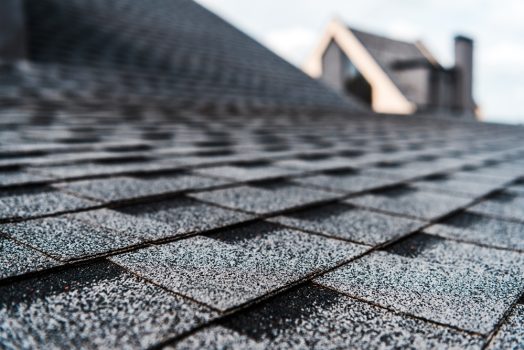
The inspector examines each section of the roof for signs of hail impact, including granule loss, bruising, cracking, and soft spots. On asphalt shingles, hail impact often leaves dark circular spots where granules have been knocked away. These can be subtle and are frequently missed by untrained eyes and by insurance adjusters who are not specifically looking for them. The inspector also checks for shingles that have lifted at the edges or tabs, which indicates that the adhesive seal has been compromised.
Flashing
The metal flashing that seals the joints and transitions on your roof, around the chimney, along valleys, and at roof-to-wall intersections, takes direct hail impact and is one of the most common locations for post-storm leaks to develop. A thorough inspection checks all flashing for dents, cracks, and separations from the roofing material.
Gutters and Downspouts
Gutters are an excellent indicator of how significant a hail event was. A roofing inspector will look for dents and dings in the gutter metal, which directly reflect the size and force of the hailstones. They will also look inside the gutters for an accumulation of granules, which is one of the clearest signs that asphalt shingles have sustained hail damage even when the shingles themselves look intact from the ground.
Roof Vents and Penetrations
Roof vents, pipe boots, exhaust caps, and skylights are all vulnerable to hail impact. Cracks in skylight glass or plastic, dents in vent caps, and damage to rubber pipe boots are all signs that the storm was significant enough to affect the roofing system more broadly.
Attic and Underlayment
A complete inspection includes a look at the attic for signs of water infiltration, moisture staining, or daylight visible through the roof deck. Problems in the attic often reveal damage that is not yet visible from the exterior but is actively allowing moisture into the home’s structure.
Roof Deck and Structural Components
In severe hail events, the roof decking itself can be damaged. A professional inspector checks for soft spots in the deck that indicate water damage or structural compromise beneath the shingles.
Signs You Can Look for From the Ground
While a ground-level inspection is no substitute for a professional assessment, there are things you can look for after a storm without getting on your roof. Walking around the perimeter of your home and looking for these signs can help you determine whether a professional inspection is warranted.
- Dents or dings in your gutters, downspouts, or aluminum fascia
- Granule accumulation in your gutters or around the base of your downspouts
- Shingle pieces or debris in your yard
- Visible damage to window screens, AC units, or painted wood surfaces
- Cracks or chips in skylight glass or plastic covers
- Water stains on interior ceilings or walls, which can appear days or weeks after a storm
- Unexplained drips or wet spots in the attic
If you notice any of these signs after a storm, do not wait. The sooner hail damage is identified and documented, the better positioned you are for an insurance claim and for preventing secondary damage from water infiltration.
Before Hail Season: The Case for a Pre-Storm Inspection
Most homeowners think about roof inspections reactively, after a storm has already happened. There is a strong argument for flipping that approach and scheduling an inspection before hail season gets into full swing.
A pre-season inspection gives you a documented baseline of your roof’s condition. If a storm rolls through in June and you file an insurance claim in July, the question your adjuster is going to ask is: what was the condition of this roof before the storm? If you have a professional inspection report from April that documents the existing condition of every component, you have a clear before and after picture that supports your claim and protects you from the insurance company attributing damage to pre-existing wear rather than storm impact.
A pre-season inspection also catches small problems before they become expensive ones. A loose piece of flashing or a few shingles with compromised adhesive might be a straightforward repair in the spring. After a significant hail event, those same weak points become active leak locations that lead to much more extensive damage.
Liberty Construction’s Colorado Springs roof inspection service is designed for this kind of proactive approach. We document what we find, explain what it means for your roof’s condition and lifespan, and give you a clear picture of where things stand before storm season puts everything to the test.
After a Hailstorm: What to Do and When to Do It
When a significant storm passes through Colorado Springs, the sequence of events matters. Here is the recommended approach:
Immediately after the storm: Stay off the roof. A damaged roof is an unstable surface, and the risk of injury is not worth it. Walk around the exterior of the home and document anything you can see from the ground with photos and notes, including the date and approximate time of the storm.
Within 24 to 48 hours: Contact a reputable local roofing contractor to schedule a professional inspection. Demand for inspections spikes after significant storms, and the sooner you get on a contractor’s schedule the better. Also check your interior ceilings and attic for any signs of water infiltration that developed during or after the storm.
Before contacting your insurance company: It is generally advisable to have a professional inspection completed and documented before you call your insurer. A roofing contractor who is experienced in insurance claims can help you understand the scope of damage, help make sure nothing is missed, and advocate for you during the adjuster’s inspection. A qualified contractor can meet with the insurance adjuster on-site to explain what was found and why it warrants coverage.
Be aware of timing: Insurance policies have specific windows for filing hail damage claims. Missing that window can mean paying for repairs out of pocket even when your policy would have covered them. Do not delay getting an inspection and initiating the claims process if a storm has caused significant damage.
Choosing the Right Roofing Contractor in Colorado Springs
After a major hail event in Colorado Springs, storm chasers descend on affected neighborhoods quickly. These out-of-town contractors follow severe weather, offer heavily discounted inspections, and pressure homeowners into signing agreements before the storm has even cleared the area. The work quality is often poor, the materials are sometimes substandard, and when problems arise later, these companies are long gone.
Working with a locally established roofing contractor is one of the most important decisions you can make after a hail storm. A local contractor has a reputation to maintain in the community, is familiar with Colorado Springs-specific weather patterns and roofing requirements, understands how local insurance adjusters operate, and will be available for warranty service and follow-up if problems arise.
When evaluating any roofing contractor, look for a company that is licensed and insured in Colorado, has verifiable local references and reviews, provides a written estimate and inspection report, and has experience specifically with hail damage repair in Colorado Springs. If a contractor pressures you to sign anything immediately or asks you to sign over your insurance benefits, walk away.
Liberty Construction serves Colorado Springs and the surrounding communities with honest, quality roofing work. When hail season arrives, our team is ready to inspect, document, and repair roofs with the expertise that comes from working in this market day in and day out. Whether you need a pre-season inspection to get ahead of the storms or a post-storm assessment to understand the damage and navigate an insurance claim, we are here to help.
Impact-Resistant Roofing: A Long-Term Solution for Colorado Springs Homeowners
If your roof is approaching the end of its lifespan or if you have been through multiple hail events that have required repairs, it may be worth considering impact-resistant roofing materials when the time comes for replacement. Class 4 impact-resistant shingles are designed to withstand larger hailstones without the granule loss and bruising that standard shingles sustain. Many Colorado insurance carriers offer premium discounts for homes with Class 4 rated roofing systems, which can offset a portion of the higher material cost over time.
Our team can walk you through the options available in our roofing products and help you evaluate whether an impact-resistant system makes sense for your home and budget. If your current roof is already showing signs of age or repeated storm damage, we can also help you decide whether roof repair or roof replacement is the better next step.
Your Roof Is Your Home’s First Line of Defense
Every component of your home depends on the roof doing its job. When hail compromises that first line of defense, the consequences ripple outward quickly, from water damage in the attic and walls to mold growth, structural deterioration, and reduced home value. The cost of a professional inspection is minimal compared to what unchecked hail damage can become over time.
Colorado Springs homeowners face an annual reality that most of the country does not. Hail season is coming, and the question is not whether your roof will face it, but whether you will be ready when it does. A proactive inspection, a clear understanding of what to look for, and a relationship with a trusted local contractor are the best tools you have.
If you are ready to get ahead of storm season or need an assessment after recent weather, our team is here. Visit our roof inspection page to learn more about what we offer, or contact Liberty Construction to schedule your inspection today. We serve Colorado Springs, Fountain, Pueblo, Canon City, Monument, and the surrounding communities throughout Southern Colorado.