
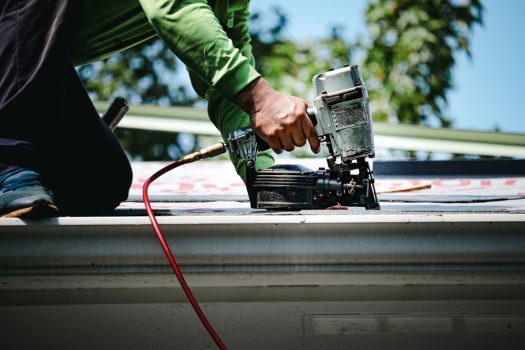
Hailstorms are a regular part of life in Colorado Springs, and they can do serious damage to your roof even if everything looks fine from the ground. Many homeowners assume that if they don’t see missing shingles or active leaks, their roof is in good shape. Unfortunately, hail damage is often subtle and can go unnoticed until it leads to bigger problems.
Understanding what hail damage actually looks like can help you catch issues early, protect your home, and avoid more expensive repairs down the road. If your area has recently experienced a storm, here is what to look for and when it is time to schedule a professional inspection.
Why Hail Damage Isn’t Always Obvious
Unlike wind damage, which can tear off shingles or visibly expose parts of the roof, hail damage tends to be more localized and harder to spot. Hail impacts can weaken shingles, remove protective granules, or create small fractures that are not immediately visible.
Over time, these small impact points can lead to accelerated wear, leaks, and reduced roof lifespan. That is why it is important to understand the signs, even if your roof looks fine at first glance.
Common Signs of Hail Damage on Asphalt Shingles
Most homes in Colorado Springs have asphalt shingle roofs, which are particularly vulnerable to hail impact. The damage may vary depending on hail size, wind speed, and the age of your roof.
Here are the most common signs to look for:
- Dark spots where granules have been knocked away
- Soft or bruised areas on shingles that feel spongy to the touch
- Random impact marks scattered across the roof
- Exposed fiberglass mat beneath the shingle surface
- Cracks or splits in the shingle material
Granules play an important role in protecting your roof from UV exposure. When they are lost due to hail impact, the underlying materials can break down much faster.
Signs of Hail Damage on Other Roofing Materials
While asphalt shingles are the most common, hail can also damage other roofing systems found in Colorado Springs homes.
Metal Roofing
Metal roofs are durable, but hail can still leave dents or cosmetic damage. In some cases, severe impacts may affect seams or fasteners.
Flat Roofing Systems
Flat roofs may show punctures, pooling issues, or membrane damage after a hailstorm. Even small punctures can lead to water intrusion over time.
If you have a specialty roofing system, it is important to have it evaluated after a major storm. Liberty Construction offers services for various roofing systems, including shingle roofing in Colorado Springs.
Hail Damage Beyond the Roof
Hail rarely affects just one part of your home. If your roof has been hit, there is a good chance other exterior components have been impacted as well.
Check for signs of damage on:
- Gutters and downspouts (dents or separation)
- Siding (cracks, chips, or holes)
- Window trim and frames
- Skylights (cracks or impact points)
- Painted surfaces (chipping or peeling)
Damage to these areas can help confirm that your home was in the direct path of a hailstorm and may support a broader inspection.
How Hail Damage Leads to Roof Leaks
Hail damage does not always cause immediate leaks. Instead, it weakens the protective layers of your roof, allowing water to slowly work its way in over time.
As shingles break down, you may start to notice:
- Water stains on ceilings
- Leaks during heavy rain or snowmelt
- Increased energy costs due to insulation issues
- Mold or mildew growth in attic spaces
If you are seeing any of these signs, it is a good idea to schedule a roof inspection to determine whether hail damage is the cause.
Should You Get Your Roof Inspected After a Hailstorm?
Yes. Even if you do not see obvious damage, a professional inspection can identify issues that are not visible from the ground. Contractors are trained to recognize subtle signs of impact and can assess whether your roof has been compromised.
In many cases, homeowners do not realize the extent of hail damage until months later when leaks or structural issues begin to appear. An early inspection helps you stay ahead of those problems.
What to Do If You Suspect Hail Damage
If your neighborhood has experienced a recent storm and you suspect damage, here are the steps to take:
Look for Exterior Signs
Check your gutters, siding, and outdoor surfaces for dents or impact marks. These can be early indicators that your roof may also be affected.
Document What You See
Take photos of any visible damage. This can be helpful if you need to file an insurance claim later.
Avoid Climbing on the Roof
Roof surfaces can be dangerous, especially after a storm. It is best to leave the inspection to a professional.
Schedule a Professional Inspection
Liberty Construction provides hail damage repair services in Colorado Springs and can assess whether your roof has been impacted. We will help you understand the condition of your roof and what steps to take next.
How Liberty Construction Helps After Hail Damage
Our team works with homeowners throughout Colorado Springs to identify storm damage and provide clear recommendations. Whether your roof needs a simple repair or a full replacement, we help you understand your options so you can make an informed decision.
We can also assist with the insurance process by documenting damage, communicating with your provider, and completing the necessary repairs.
Schedule a Hail Damage Inspection in Colorado Springs
If your home has recently been hit by hail, do not assume everything is fine just because you do not see immediate damage. A professional inspection can catch issues early and help protect your home.
Contact Liberty Construction today to schedule your free hail damage inspection in Colorado Springs.